
The Essentials of Best UI/UX Design
Key principles for creating seamless, user-friendly digital products.
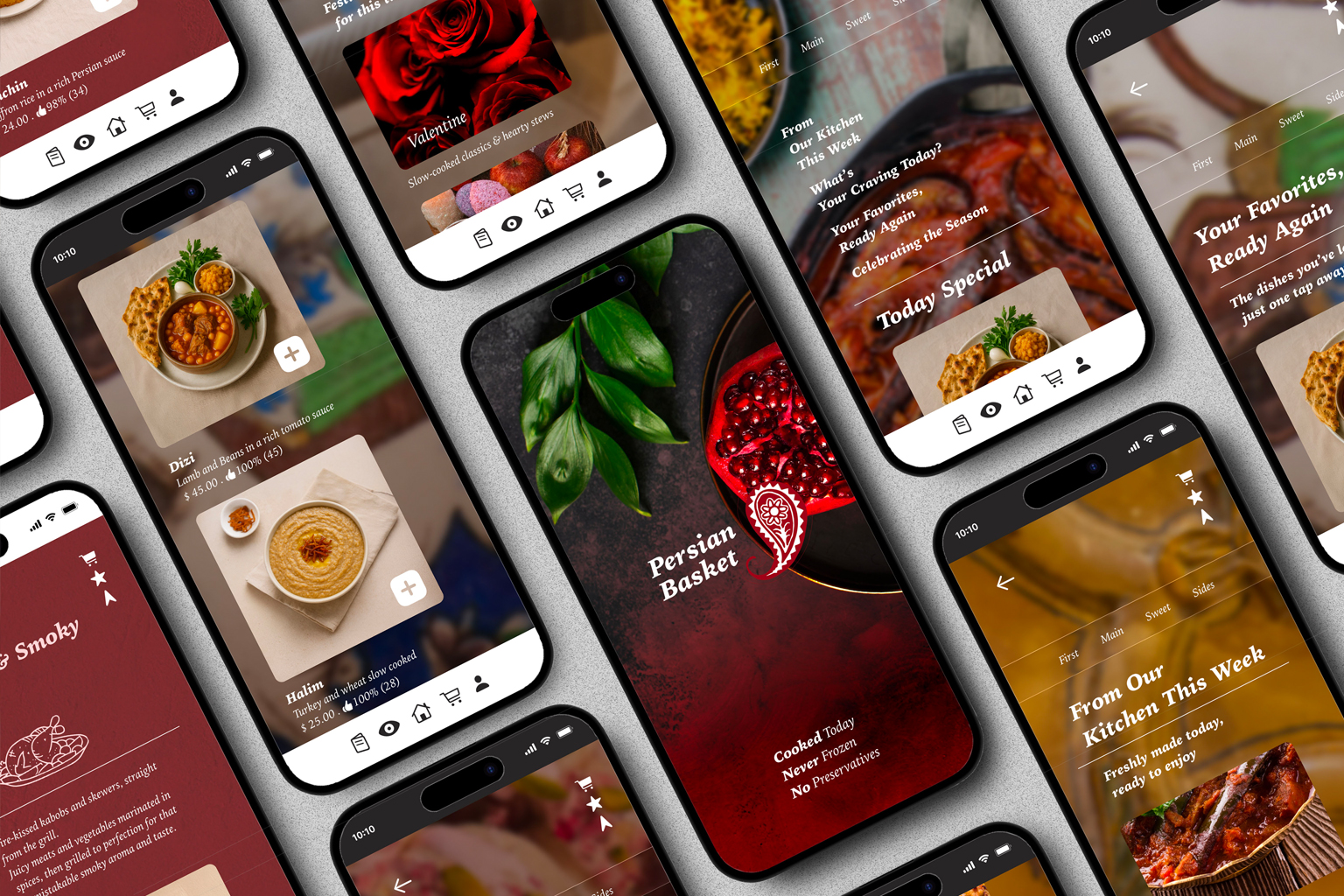
Essential Design Knowledge Awaits
In today’s digital landscape, design is no longer just about building apps or websites—it’s about shaping human experiences. A strong UI/UX strategy is the cornerstone of every successful product, where clarity meets creativity and usability blends seamlessly with emotion. Great design is not a luxury; it is an expectation. It is the invisible hand that guides, reassures, and delights users at every interaction.
As products compete for attention in crowded markets, only those that prioritize user needs, accessibility, and simplicity rise above. A product may function well, but if it fails to connect with people on an intuitive and emotional level, it risks being forgotten. The best UI/UX design is human-centered, building trust, loyalty, and long-term engagement with every click, swipe, and gesture.
Insights and Strategies for Enduring Design
Design excellence in 2024 is not defined by how many features you can add but by how much friction you can remove. Every decision—whether it’s the placement of a button or the tone of a micro-interaction—shapes the user journey. The most effective systems anticipate needs, respect diversity, and minimize barriers.
Key essentials include:
- Clarity & Simplicity → Interfaces must communicate purpose instantly, reducing cognitive load so users can focus on their goals.
- Consistency → Familiar patterns, typography, and flows create confidence and ensure users don’t have to “re-learn” the product.
- Accessibility → Inclusive design isn’t optional. Color contrast, adaptable text, screen reader compatibility, and alternative navigation paths must be built in from the start.
- Responsiveness → Interfaces must perform seamlessly across all platforms—desktop, mobile, wearables, or future devices yet to emerge.
- User-Centered Flow → The journey should prioritize what users want to accomplish, not only business KPIs. When users succeed, businesses succeed.
- Feedback & Visibility → Micro-interactions, confirmations, and meaningful error states reduce uncertainty and guide confidence.
- Performance → Fast loading, smooth animations, and reliability are not technical extras—they are design principles in themselves.
- Emotional Connection → The small moments of delight—an elegant animation, a thoughtful illustration, a warm message—build emotional bonds that last.
When combined, these strategies don’t just make a product usable; they transform it into something memorable, something people want to return to again and again.
Every Pixel Carries Weight
Every pixel, every tap, and every gesture holds the power to change perception. A cluttered interface can frustrate and drive users away, while a clean and thoughtful design can inspire trust and joy. Poor design is felt immediately—it creates friction, abandonment, and loss of loyalty. But when design is carefully considered, it becomes almost invisible, allowing users to focus entirely on what matters to them.
The hallmark of great design lies in this balance: the tension between usability and delight. Too much focus on efficiency may strip away personality, while too much emphasis on aesthetics may undermine usability. The sweet spot is where the functional meets the emotional, and that is where design endures.
Designing for People, Always
At its core, design is—and always has been—about people. Whether someone is booking a flight, checking their finances, ordering food, or connecting with friends, what they remember is not the interface itself, but how the product made them feel. Did it feel clear? Did it feel empowering? Did it feel human?
Accessibility, clarity, and empathy are no longer competitive advantages; they are essential requirements. As technologies evolve—AI-driven personalization, voice interfaces, spatial computing—design must adapt fluidly, keeping human needs at the center. The tools and platforms may change, but timeless principles remain: simplicity, consistency, and connection.
In 2025 and beyond, the best UI/UX design will be the one that feels effortless, intuitive, and profoundly human. Because in the end, design isn’t just about pixels on a screen—it’s about people, and the stories they live through every interaction.