
The Impact of Human Behavior on Design Systems and UI/UX
User habits driving UI/UX evolution.
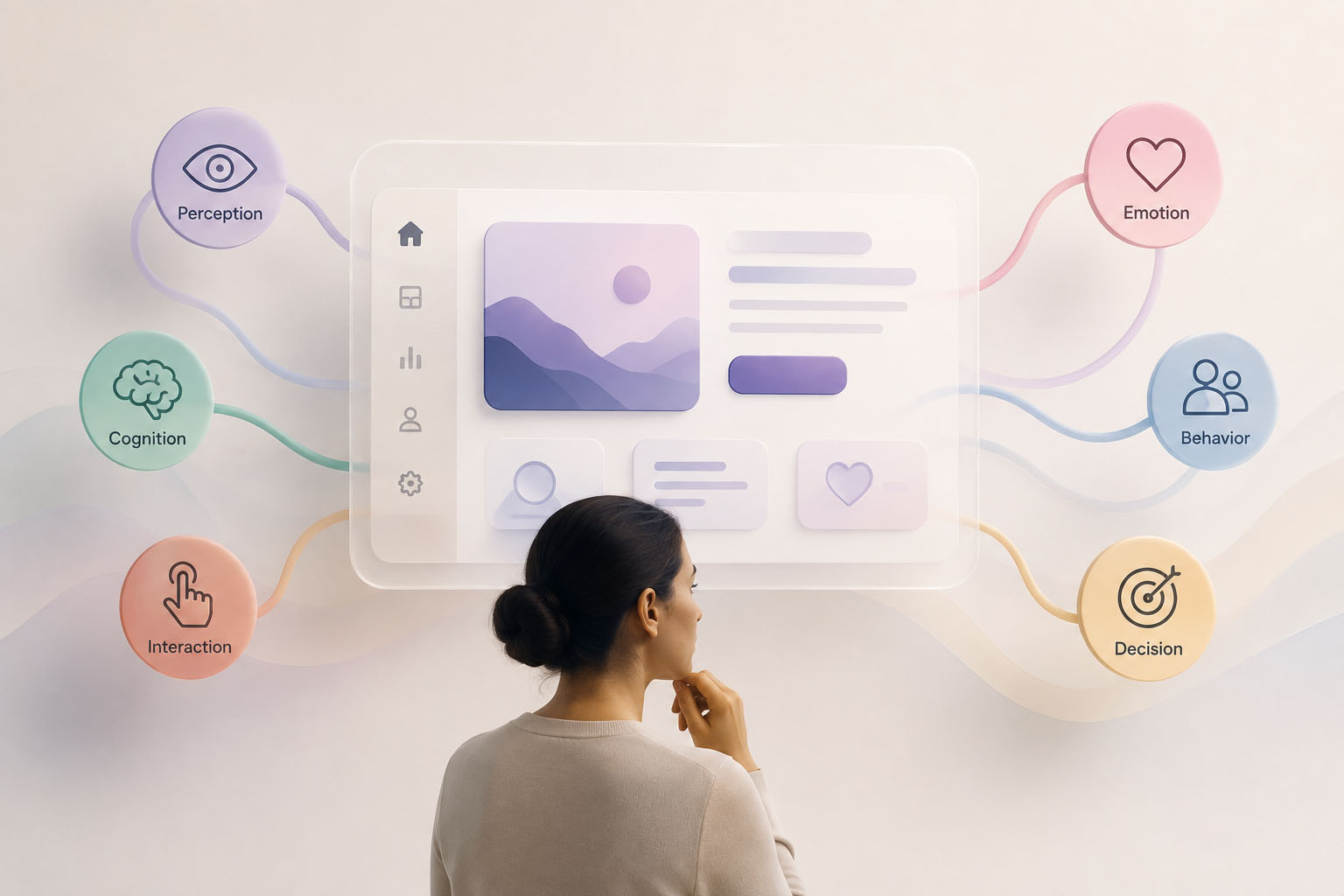
Essential Knowledge for Adaptive Design
Staying ahead in the digital age means not only building beautiful products but understanding the deeper shifts in how people live, work, and interact with technology. Human behavior is the compass, and design must follow. Each transformation in habit—whether it’s the rise of mobile-first living, the pull of instant gratification, or the demand for inclusivity—reshapes the foundations of design systems. For designers and businesses alike, acknowledging these shifts isn’t optional; it’s survival.
Insights and Strategies
Behavioral shifts rarely announce themselves loudly; they emerge in subtle daily choices. A scroll that replaces a click, a preference for voice commands over typing, a swipe that feels faster than tapping. What seems trivial to one becomes habitual to millions. Design systems that ignore these behaviors fall behind, while those that anticipate them build trust.
- Mobile-first culture → Simplified navigation, responsive systems, and touch-friendly components.
- Shorter attention spans → Minimal interfaces, micro-interactions, and snackable content flows.
- Accessibility expectations → Inclusive typefaces, adaptable components, voice UI, and haptic cues.
- Remote collaboration → Seamless, cloud-based design systems that reflect the new culture of distributed work.
Designers must not only react to these changes but embed flexibility into their systems. The best UI/UX anticipates habits before they harden.
The Human Perspective
Behind analytics and trends are people—choosing, abandoning, embracing, and reshaping how digital products live in their daily lives. A checkout abandoned is not just lost revenue; it’s a signal of friction. A user who turns to dark mode is expressing comfort. The tools people adopt reflect not only needs but desires. Human behavior is design feedback written in action, not words.
The Fixed Enormity, This Thousands Turner
The uneasiness of shifting behavior may feel overwhelming, but it is also opportunity. From the remote worker toggling between screens, to the teenager who prefers TikTok’s endless scroll, each signal carries weight. Behavior is the silent architect, reshaping design systems into what they must become. To ignore it is to design for yesterday; to embrace it is to design for tomorrow.
As Have to Achieve Always People
Every evolution of human behavior brings with it a call to redesign—not just interfaces but the philosophies behind them. Design systems must remain porous, adaptive, and responsive. Brands that thrive will be those that understand design as a mirror of humanity: flexible, evolving, and deeply human.