
The Importance of Accessibility in App Design
Accessibility in app design goes beyond compliance—it’s about creating digital experiences that serve all users, regardless of ability. By addressing visual, auditory, motor, and cognitive needs, inclusive design not only removes barriers but also improves usability for everyone, driving both innovation and equity.
The Importance of Accessibility in App Design 2024
Essential Knowledge for Inclusive Design
Staying at the forefront of digital product design means not only tracking trends but also addressing real human needs. Accessibility is more than a compliance checkbox—it’s a philosophy of care and inclusion, a commitment to ensuring that every user, regardless of ability, can engage with technology meaningfully. In a world where digital tools are woven into nearly every aspect of life, leaving accessibility as an afterthought creates divides. For designers, developers, and businesses, prioritizing accessibility is both a responsibility and an opportunity: it extends reach, improves usability, and reflects a deeper sense of social equity.
Insights and Strategies
Accessibility challenges often arise from subtle oversights: text that strains vision because it cannot be resized, color palettes that unintentionally exclude those with color blindness, buttons too small for limited motor skills, or navigation flows that screen readers cannot interpret. What may feel like small details to some can amount to complete barriers for others. Addressing these challenges requires intention, knowledge, and empathy.
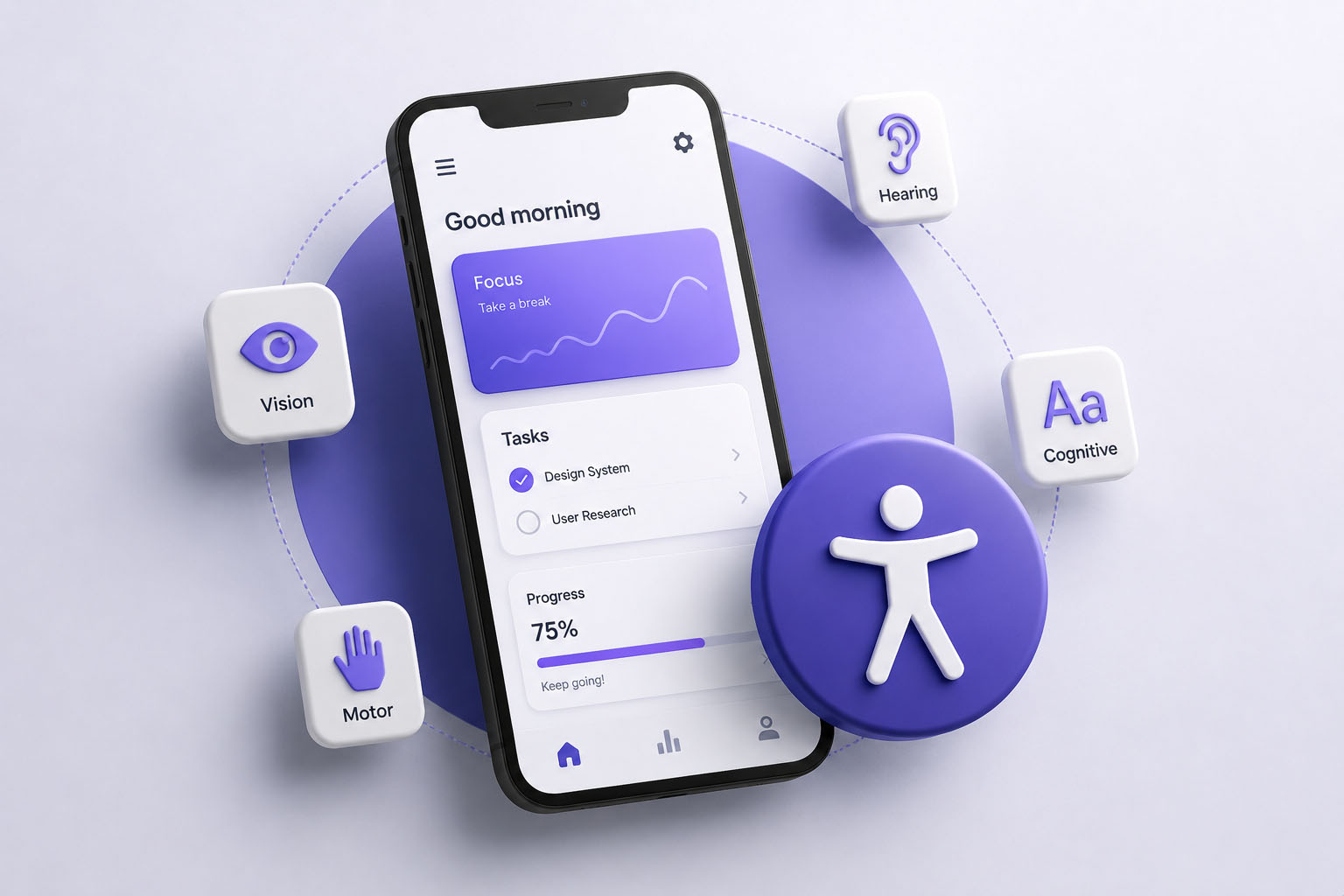
- Visual impairments call for strong contrast, scalable typography, customizable display options, and meaningful alt text for all visuals.
- Auditory disabilities are supported through captions, transcripts, visual alerts, and haptic cues.
- Motor limitations demand larger touch targets, generous spacing, and complete keyboard navigation.
- Cognitive differences benefit from clear, simple language, logical flows, and reduced visual clutter.
These strategies aren’t optional extras. They are design essentials that, when implemented, elevate usability for every user, not only those with disabilities. Accessibility fosters clarity, and clarity benefits all.
The Human Perspective
Behind every standard or guideline is a real person trying to accomplish a simple task: booking a flight, ordering groceries, scheduling a doctor’s visit, or connecting with a loved one. The frustration of exclusion can feel alienating and disempowering; the relief of inclusion can restore independence, dignity, and trust. Designing for disability is not about addressing “special cases” but about recognizing the diversity of human ability and interaction. Every tap, swipe, click, or spoken command carries weight—and those interactions shape how people experience the digital world.
Outcomes of Inclusive Design
The impact of accessible design extends far beyond compliance. Apps that prioritize accessibility cultivate loyalty among users who feel recognized and respected. They drive business growth by tapping into wider audiences, including the more than one billion people worldwide living with disabilities. They also fuel innovation: many of today’s mainstream features—voice assistants, dark mode, predictive text—originated as accessibility solutions and are now universally appreciated. Inclusive design doesn’t only “help some”; it raises the standard of usability for everyone.
Conclusion
Accessibility in app design is not a one-time destination but an ongoing practice of empathy, creativity, and responsibility. It requires us to anticipate difference, to embrace flexibility, and to see design not as rigid but as adaptive to human needs. By committing to inclusive solutions, we build not only better products but also a more connected, equitable, and human-centered digital world.